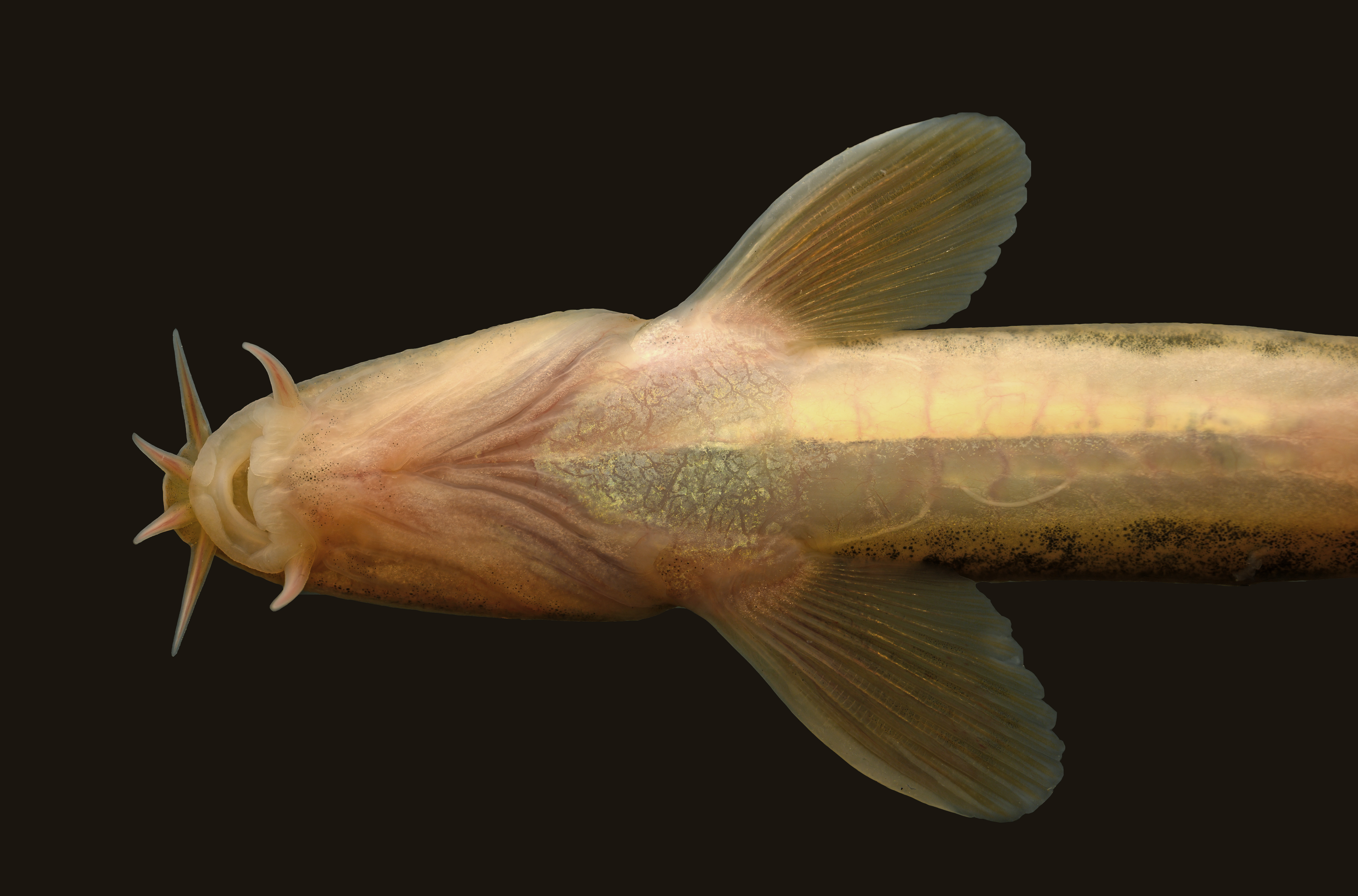
A new super narrow-ranged endemic Phoxinus minnow (Leuciscidae) from the Caucasus
Integrative evidence resolves a highly localized Caucasian Phoxinus lineage as a distinct species.
Phylogeography · biogeography · integrative taxonomy
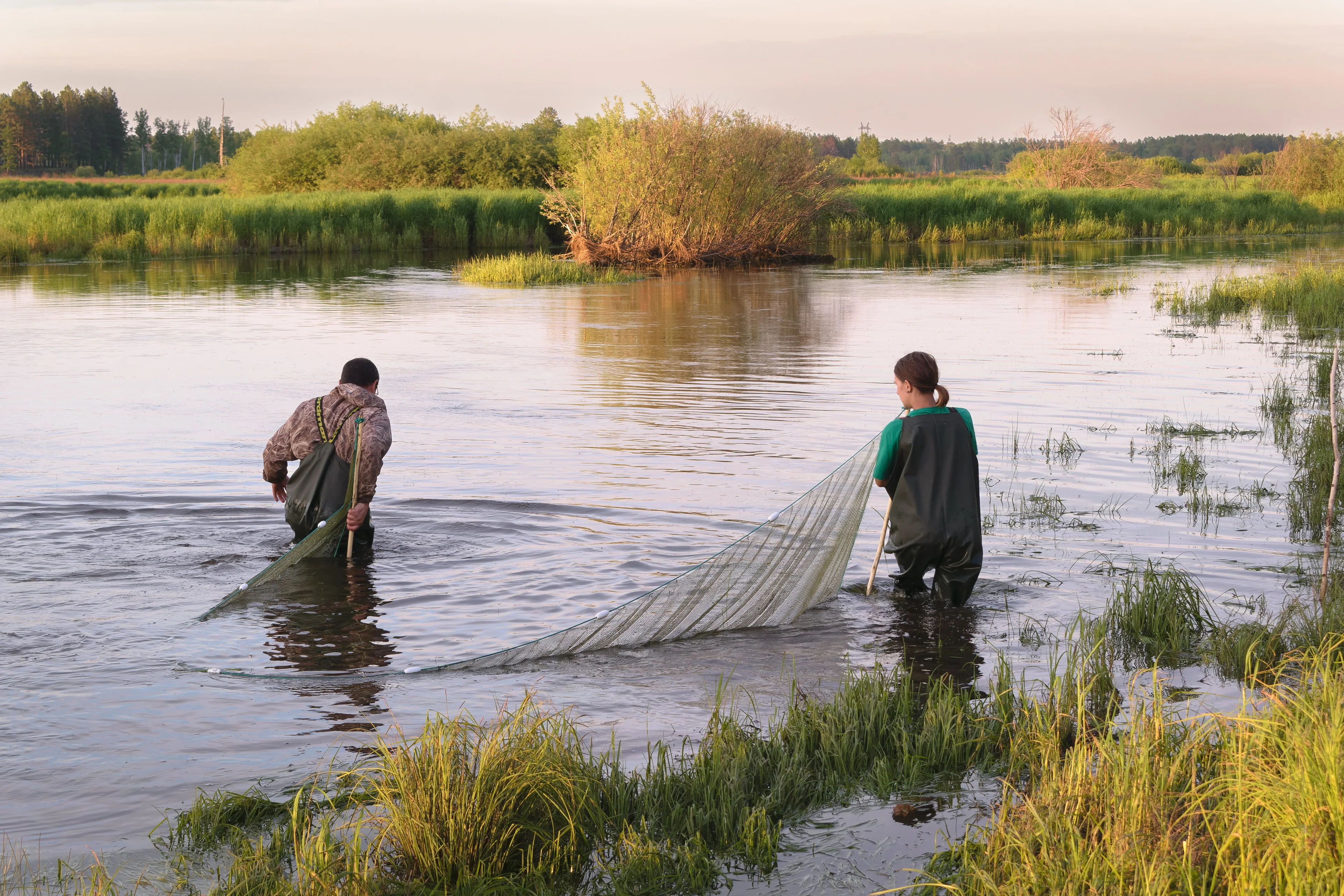
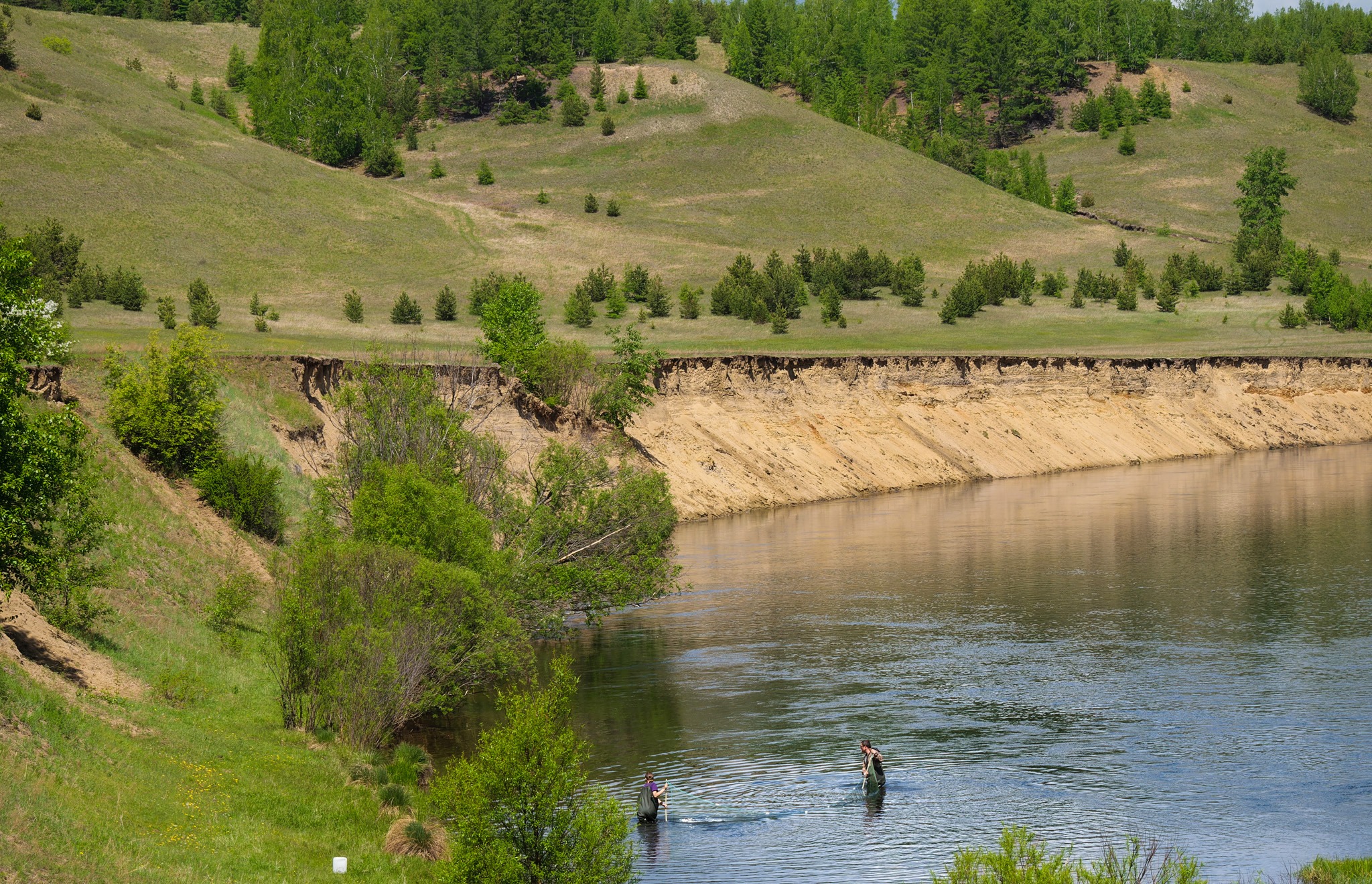
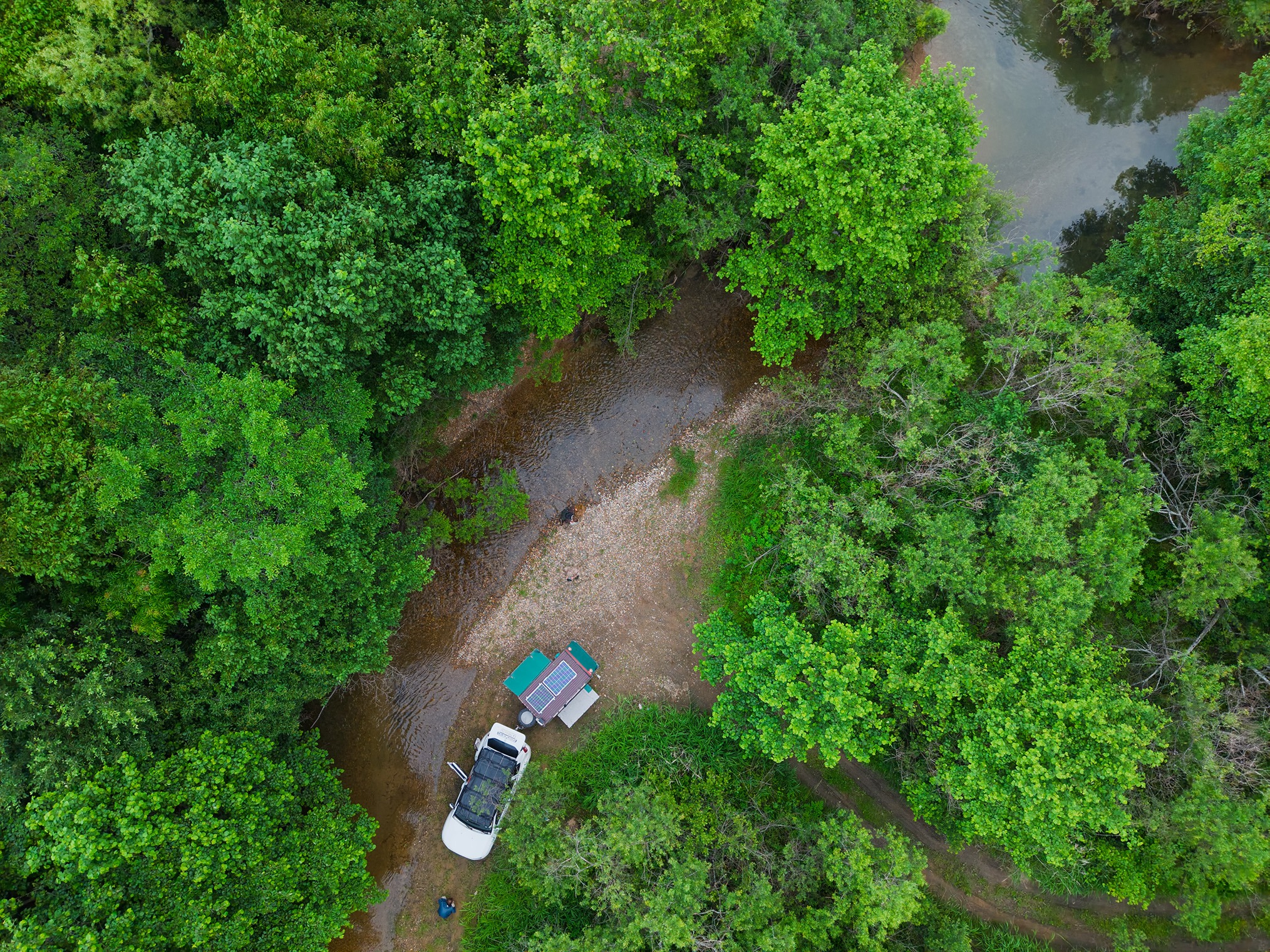
Research focuses on the historical, environmental and geographic processes shaping freshwater fish diversity, combining evidence from morphology, molecular data, species distributions, environmental conditions and river-basin history.
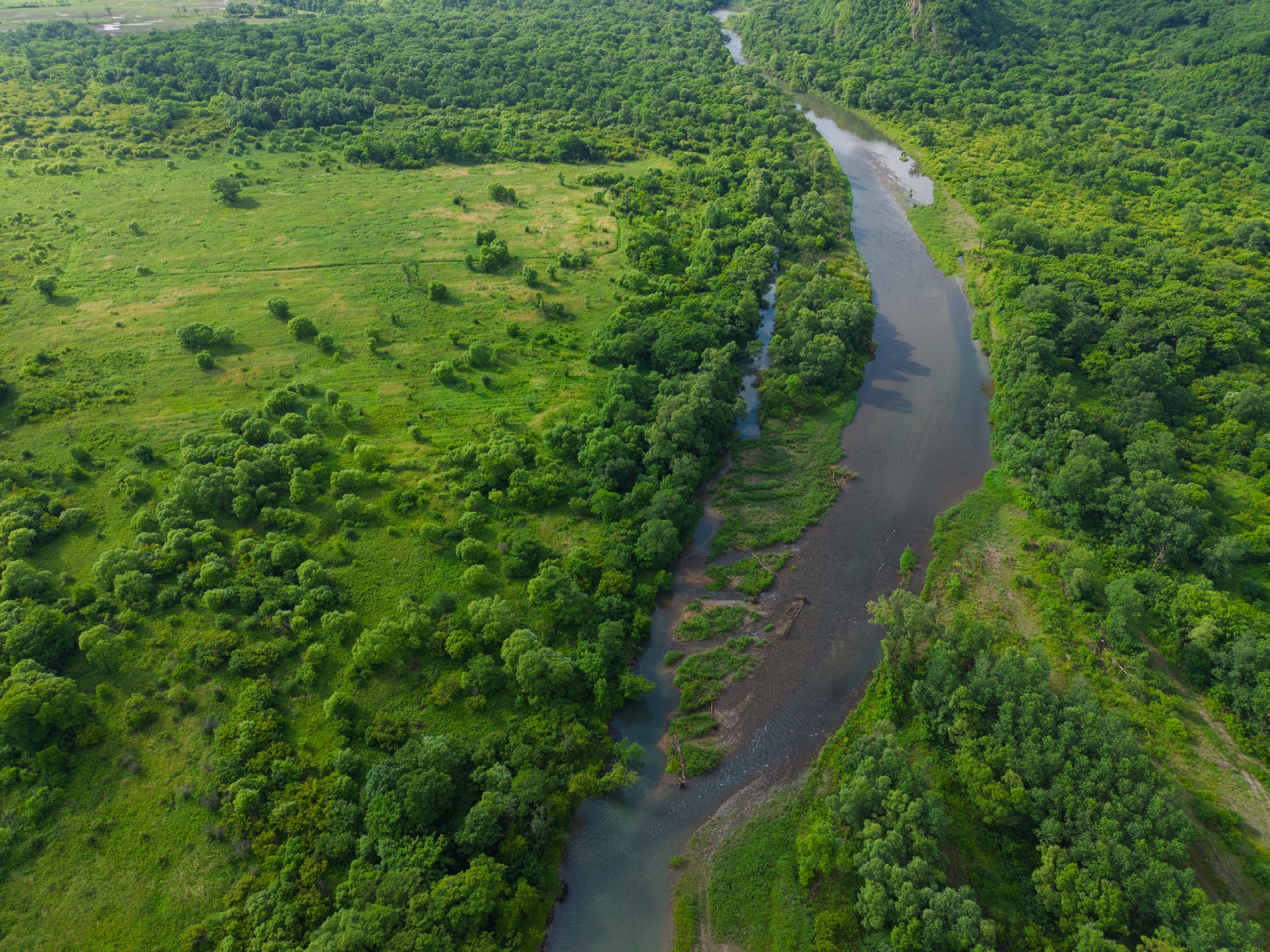
Reconstructing how historical connections, isolation and drainage evolution have influenced freshwater lineages and their present distributions.
Examining how environmental conditions, habitat structure and geographic variation contribute to species distributions and diversification.
Comparing independent datasets to evaluate lineage boundaries and evolutionary hypotheses across complex freshwater systems.
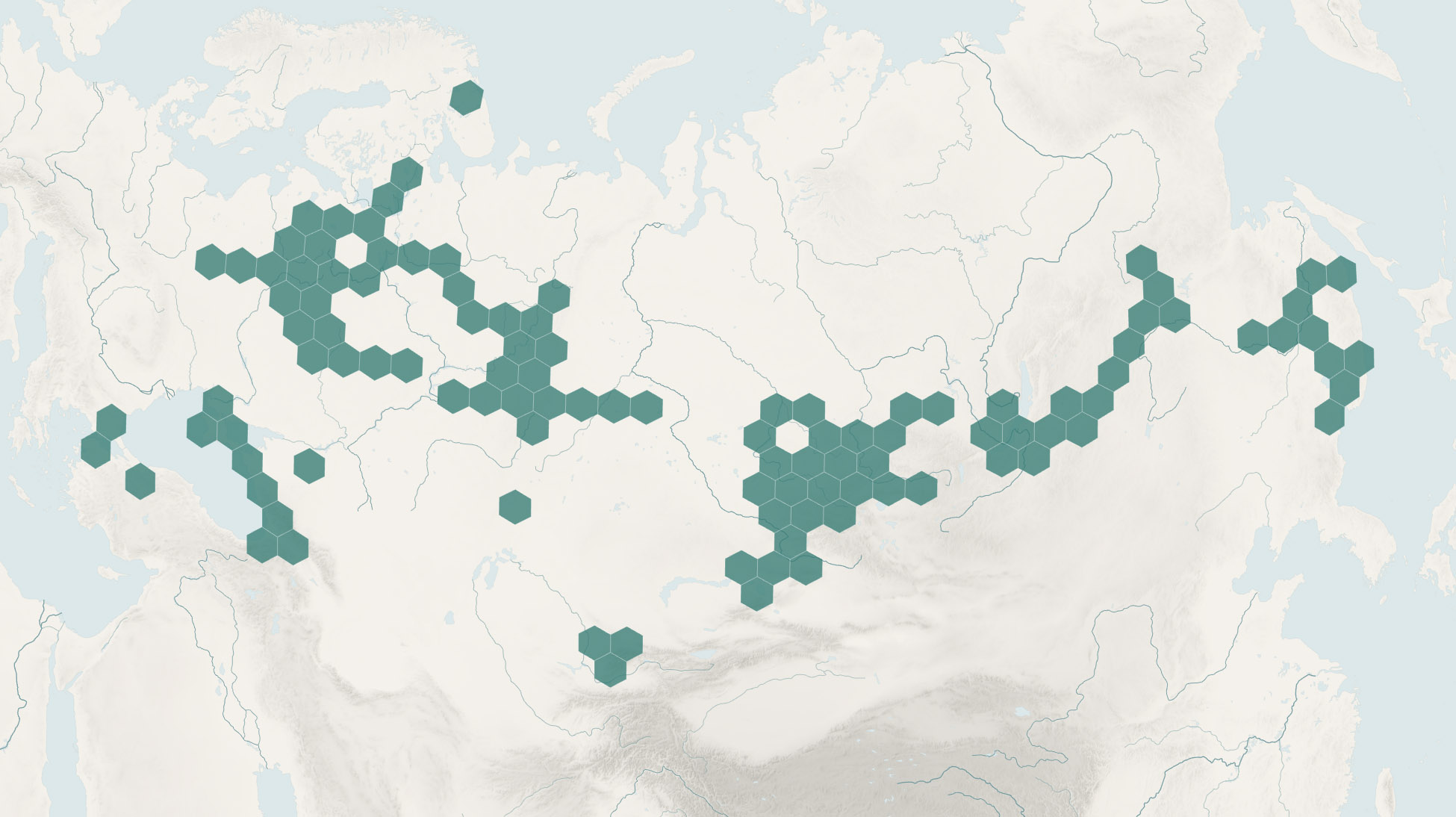
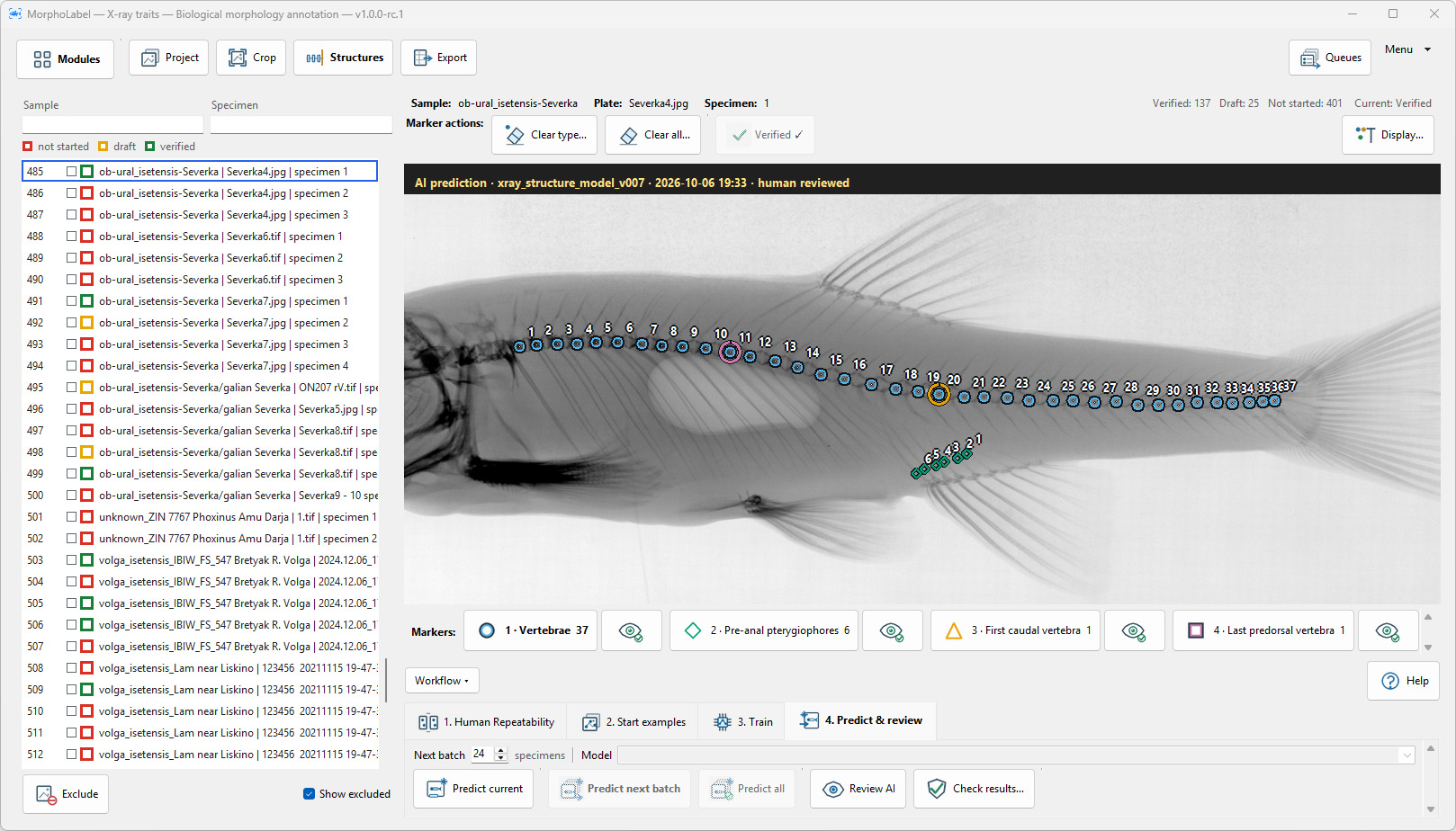
Across Eastern Europe and Asia, some Phoxinus lineages combine deep mitochondrial divergence with striking phenotypic similarity, geographic isolation and complex river-basin histories. Current work examines these patterns across drainage systems, including cases where mitochondrial history alone does not resolve lineage relationships, using Phoxinus as a comparative system for broader evolutionary questions in freshwater fishes.
Integrative evidence resolves a highly localized Caucasian Phoxinus lineage as a distinct species.
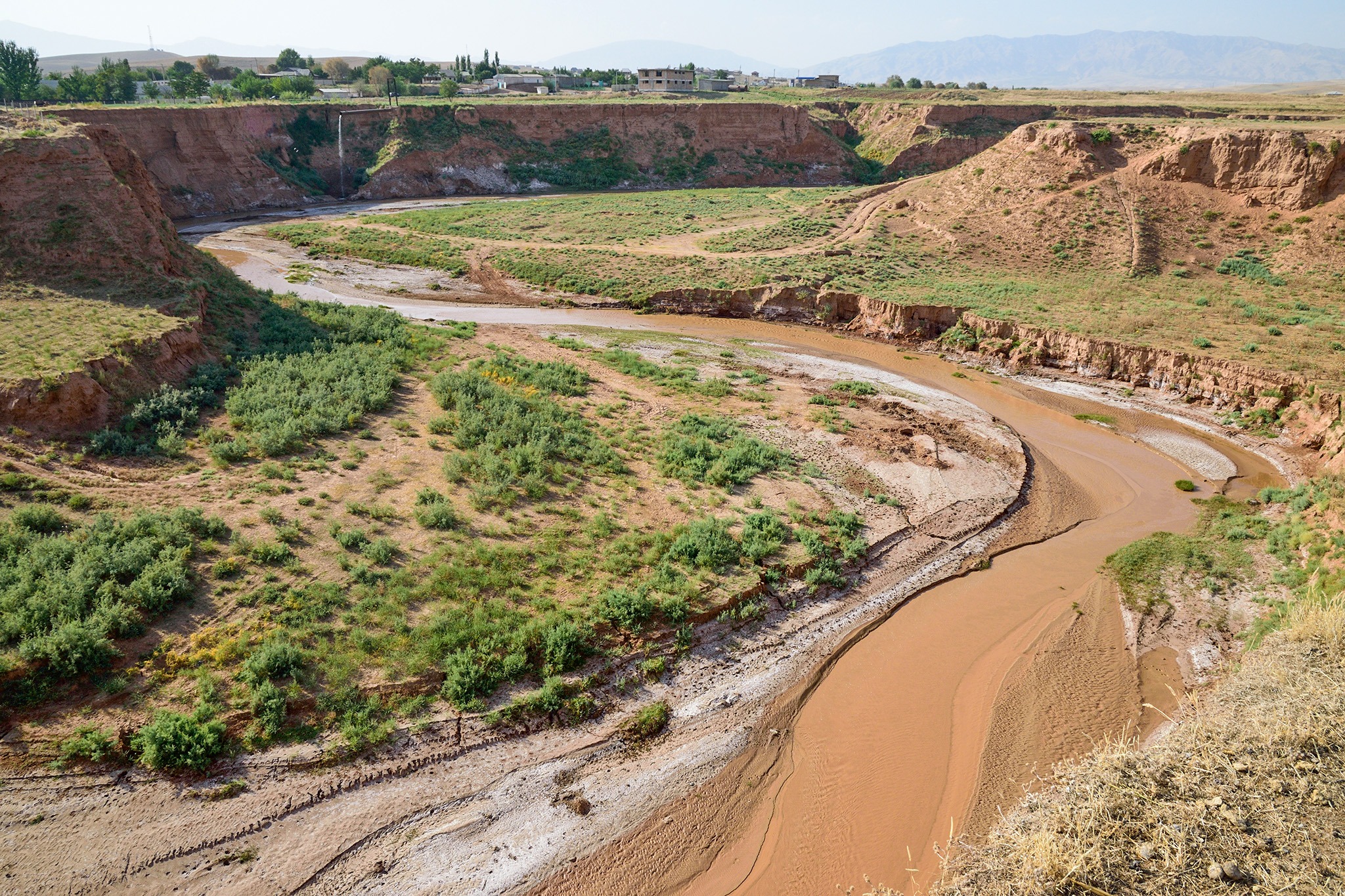
A synthesis of freshwater fish diversity and its century-scale change across Tajikistan.
Species-distribution modelling connects present distributions with projected environmental change across Europe.
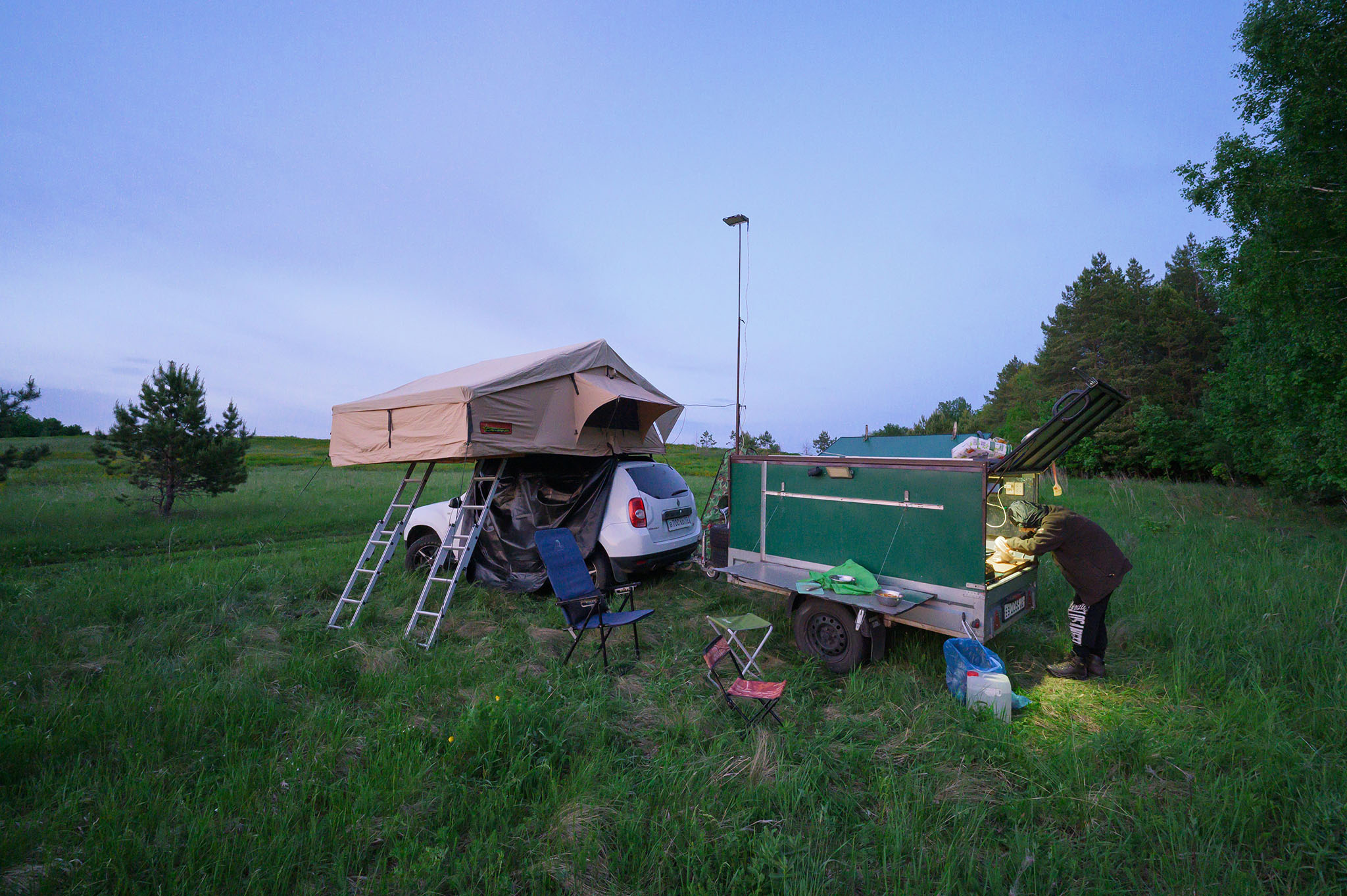
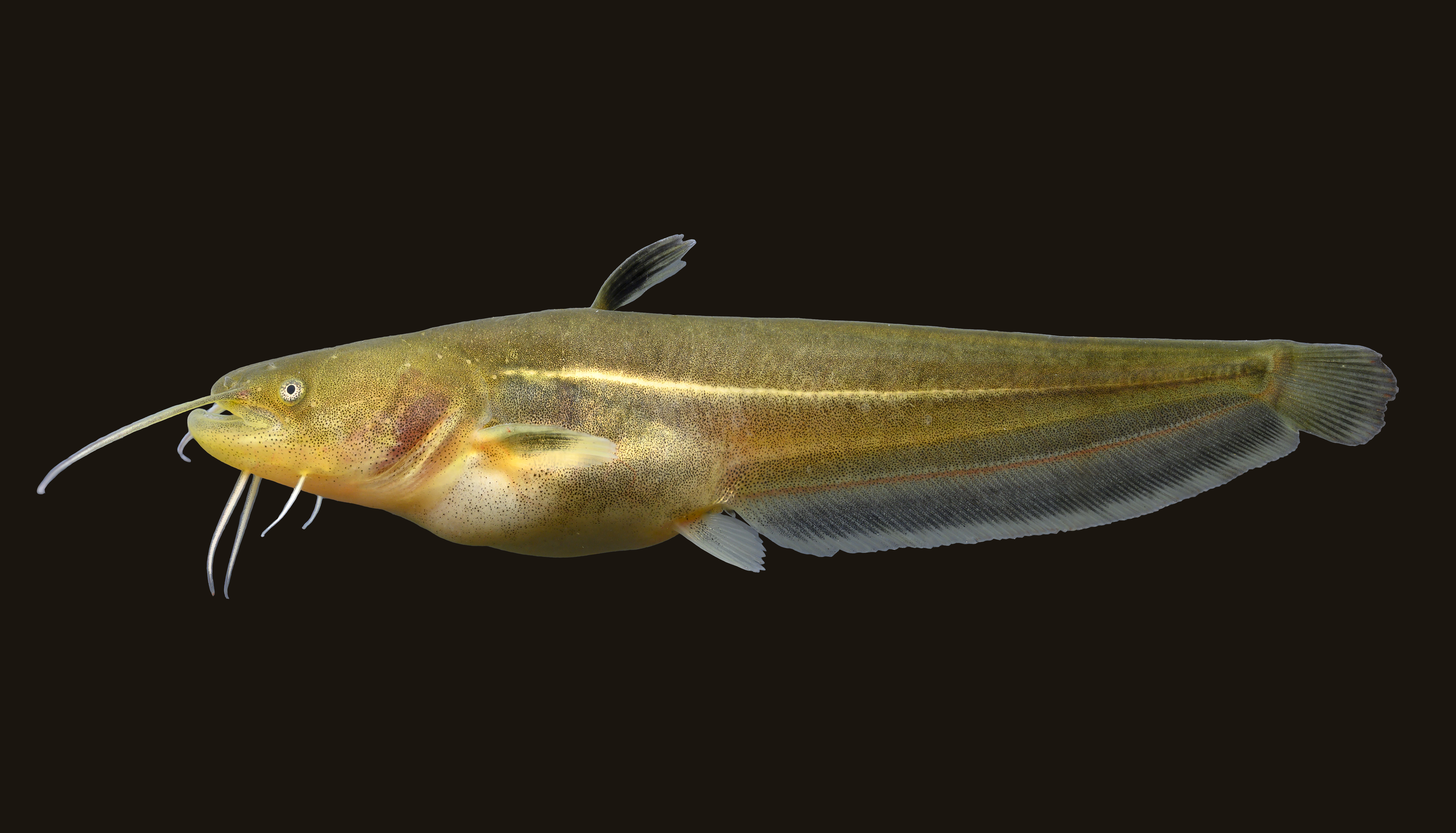
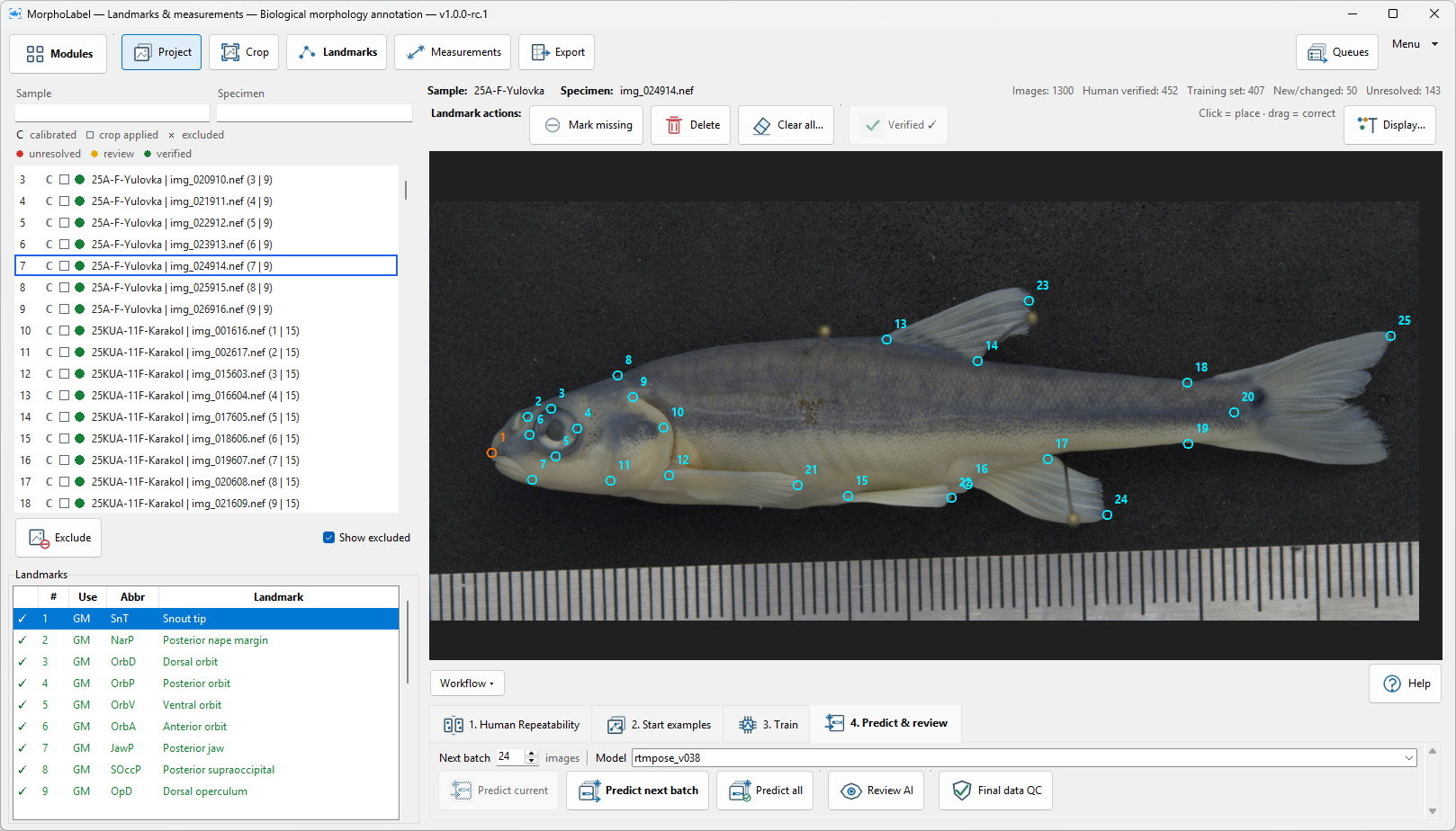
High-resolution imaging in field conditions preserves colour and fine external phenotypic detail before fixation, linking live phenotype with subsequent quantitative morphological analysis.
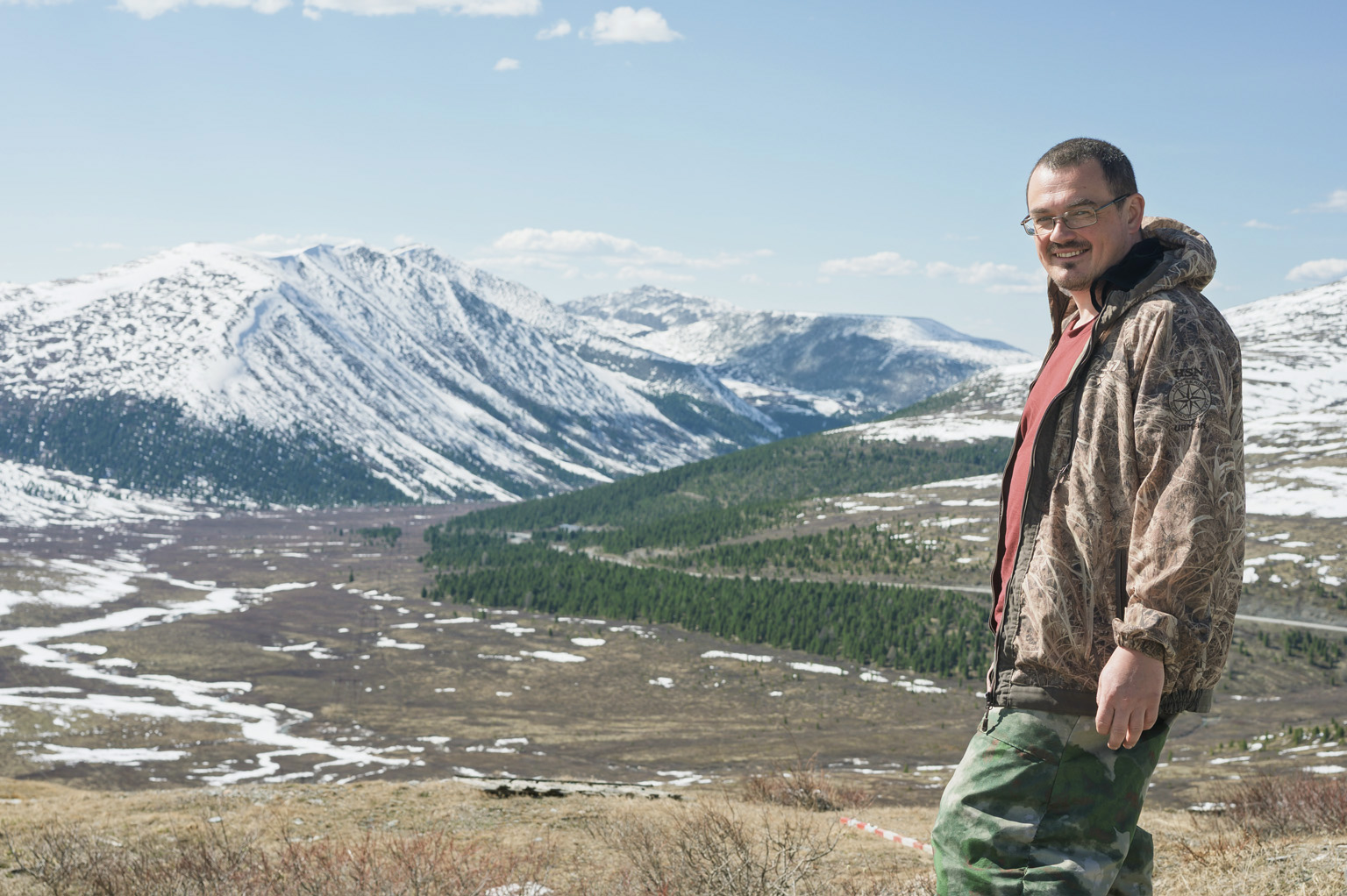
Ichthyologist
Candidate of Biological Sciences (PhD-equivalent degree)
Senior Research Scientist · Papanin Institute for Biology of Inland Waters
Russian Academy of Sciences